
Researched and written by Rajat Gupta
Overview
Buyer's Guide
Showing 41-60 out of 63 Products
Sort by :
What is Amazon Comprehend?
Amazon Comprehend is an advanced NLP service that uses machine learning to uncover valuable insights and relationships from unstructured data and text. With its ability to understand human language nuances, it can accurately identify sentiment, key phrases, entities, and...Read more
What is GymBuddy AI?
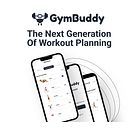
Introducing GymBuddy AI – the ultimate workout companion for achieving your fitness goals. This innovative app uses state-of-the-art AI technology to design custom workout routines tailored to your specific target areas. Not only does GymBuddy AI assist in planning your...Read more
What is Free AI Therapist?
Introducing Free AI Therapist, the revolutionary platform that provides free, private AI therapy to boost your mental well-being. This innovative technology allows for confidential and immediate assistance, making it accessible to anyone, anytime. Say goodbye to the barriers...Read more
What is Woebot Health?
Introducing Woebot Health, a cutting-edge mental health solution that utilizes AI technology to deliver round-the-clock, personalized support. It's an AI-powered digital assistant that stands out for its evidence-based approach, including CBT, to engage users in meaningful...Read more
What is Pooks.ai?
With Pooks.ai, your reading experience will be revolutionized thanks to the integration of AI technology. This innovative SaaS aggregator offers personalized ebooks and audiobooks that cater to your specific interests and preferences. By blending technology and...Read more
What is Dream Decoder?
Dream Decoder is an innovative AI-powered tool that helps you unlock the meaning behind your dreams. With personalized and confidential dream interpretation, this groundbreaking software uses the advanced GPT-4 model to provide insightful insights into the symbols and...Read more
What is AI Meal Planner?
Introducing AI Meal Planner - the ultimate solution for effortless meal planning and dietary management. With its state-of-the-art artificial intelligence technology, this cutting-edge tool crafts customized meal plans tailored to your specific preferences and allergies....Read more
What is Carepatron?
Revolutionize healthcare with Carepatron - the ultimate solution for medical professionals. With cutting-edge AI-driven transcription and management tools, this platform simplifies the documentation process. Designed for seamless clinical workflows, Carepatron ensures...Read more
What is Zing Coach?
Introducing Zing Coach, the ultimate AI-powered fitness tool designed to revolutionize the way you evaluate and improve your fitness. This innovative mobile app combines expert knowledge with cutting-edge technology to create a personalized fitness experience that caters to...Read more
What is Noah?
Introducing Noah - the ultimate productivity tool for busy professionals. With the ability to answer questions, summarize content, and draft emails, Noah streamlines your daily tasks and saves you time and effort. Say goodbye to endless scrolling and searching - let Noah...Read more
What is Pathfinder?
Experience the ultimate life planning tool with Pathfinder. Utilizing cutting-edge AI technology, Pathfinder creates customized strategies to help you achieve your goals, whether it's improving productivity, advancing your career, enhancing relationships, or elevating your...Read more
What is PPLEGPT?
Introducing PPLEGPT: the latest in AI technology that transforms your fitness routine. Our intelligent workout generation feature allows you to personalize your exercises instantly. No matter your level of experience, PPLEGPT’s personalized approach creates plans tailored to...Read more
What is Tidalflow?
Transform your fitness journey with Tidalflow, the ultimate solution for personalized workouts and science-based advice. This revolutionary app is more than just your average fitness app – it's an AI-powered personal trainer that's always by your side. With its cutting-edge...Read more
What is mapEDU?
Introducing mapEDU - the ultimate AI-powered tool for healthcare education. This innovative tool revolutionizes curriculum mapping and exam analysis by automating tasks such as faculty surveys and exam tagging, providing objective data for curriculum improvement and student...Read more
What is Docus?
Docus is a cutting-edge platform that brings together the power of AI and the expertise of top medical professionals to provide you with instant health insights and expert consultations. With our AI Health Assistant, you can navigate through your health concerns and receive...Read more
What is Amazon Sage Maker?
Introducing Amazon Sage Maker: the ultimate solution for building and deploying machine learning models. With fully managed infrastructure, tools, and workflows, developers and data scientists can streamline their ML tasks at a low cost. This all-in-one platform caters to a...Read more
What is Abridge?
Abridge, the cutting-edge solution from a leading SaaS aggregator, is transforming healthcare documentation with its state-of-the-art AI technology. This tool is tailored for the healthcare sector, converting patient-provider conversations into precise clinical notes in real...Read more
What is DrugCard?
Introducing DrugCard - the ultimate solution for pharmacovigilance efficiency. Leveraging AI technology, this multi-language platform transforms drug safety monitoring by streamlining routines, increasing data accuracy, and saving time for professionals. Say goodbye to the...Read more
What is Nabla?
Introducing Nabla, the ultimate solution for medical professionals to streamline their workflows effortlessly. With its Copilot feature, Nabla automates the generation of clinical notes and seamlessly integrates with EHR systems, saving time and reducing stress. It ensures...Read more
What is Upheal?
Upheal is a cutting-edge platform that uses AI to revolutionize therapy note-taking. It enhances care by providing insightful analytics, allowing mental health professionals to focus more on their clients and less on paperwork. Upheal streamlines clinical workflows, making...Read more
Quick Compare
List your software and claim your profile so buyers comparing AI Healthcare Solutions tools can find accurate pricing and feature details.
Popular categories
Quick compares
Latest products
Buyer's Guide
Artificial Intelligence (AI) is changing healthcare by improving patient care, making administrative tasks easier, and helping with medical research. AI tools, like diagnostic systems and patient monitoring, can make a big difference in the healthcare industry.
This guide will help you choose the right AI healthcare software for your needs. We’ll cover the key features to look for, who uses these solutions, the challenges and benefits, alternatives, how to buy the right one, how to set it up, and the latest trends in AI healthcare.
AI healthcare solutions are software tools that use artificial intelligence technologies like machine learning (ML), natural language processing (NLP), and robotics.
These tools help improve different parts of healthcare, such as diagnosing diseases, managing patient records, and making administrative tasks easier. AI can analyze large amounts of medical data, make predictions, help with decisions, and automate repetitive tasks. This allows healthcare providers to give more accurate and efficient care to their patients.
Some common applications of AI healthcare solutions include:
When looking at AI healthcare solutions, you’ll find several important features that make these tools useful in healthcare. Let’s go over some of the key features:
| Feature | Description |
|---|---|
| AI-Driven Diagnostics | Analyzes medical images, lab results, and patient histories to detect diseases early, especially in radiology, pathology, and oncology. |
| Predictive Analytics | Analyzes healthcare data to forecast outcomes, manage chronic diseases, and predict outbreaks. |
| Natural Language Processing (NLP) | Processes unstructured data like doctors’ notes for medical coding, data extraction, and clinical documentation. |
| Robotic Process Automation (RPA) | Automates repetitive tasks such as billing, appointment scheduling, and claims processing. |
| AI-Powered Virtual Assistants | Helps patients manage health, schedule appointments, and send medication reminders. |
| Telemedicine Integration | Integrates with telehealth platforms for remote consultations, symptom checking, and patient monitoring. |
| Patient Monitoring | Tracks real-time vitals with wearables, helping manage chronic illnesses and prevent emergencies. |
AI healthcare solutions are used by many types of healthcare providers and organizations. Knowing who uses these tools can help you choose the best software for your specific needs.
| User | Used for |
|---|---|
| Hospitals and Healthcare Systems | Use AI for diagnostics, improving care, automating tasks, and reducing costs. |
| Clinics and Small Practices | Automate scheduling, billing, and patient communication for personalized care. |
| Medical Research Institutions | AI speeds up drug development and genomic research by analyzing large data sets. |
| Health Insurance Providers | Manage claims, reduce fraud, assess risk, and predict healthcare costs. |
| Home Healthcare Providers | Monitor patients remotely, allowing caregivers to track health without visits. |
| Patients | Use AI tools like symptom checkers and virtual assistants to manage health and appointments. |
Despite the challenges, AI healthcare solutions offer several significant benefits:
Improve patient outcomes:
AI tools can assist with early diagnosis, personalized treatment plans, and real-time patient monitoring, leading to better overall patient care.
Increase efficiency:
AI can handle repetitive administrative tasks, freeing up healthcare workers to focus on patient care. This leads to more efficient operations and reduced wait times for patients.
Save cost:
By automating tasks and improving diagnosis accuracy, AI can help reduce healthcare costs. Predictive analytics can also help prevent hospital readmissions, further lowering costs.
Better access to care:
AI-powered telemedicine tools and virtual assistants make it easier for patients to access healthcare, especially in rural or underserved areas.
Enhance decision-making:
AI systems can process vast amounts of data quickly, helping doctors make more informed decisions. This leads to more personalized care and better treatment outcomes.
While AI healthcare solutions offer many benefits, there are some challenges to keep in mind:
Data privacy and security:
AI tools handle sensitive patient data, so strict security measures are needed. Compliance with regulations like HIPAA is essential to avoid data breaches and protect patient information.
Accuracy and reliability:
AI must be highly accurate, especially in medical applications where errors can lead to misdiagnosis.
Integration with existing systems:
Many healthcare providers use older systems, and integrating AI with these can be difficult.
Cost of implementation:
AI solutions can be costly, especially for smaller providers. The initial expense for software, training, and equipment can be a barrier.
Ethical concerns:
AI decisions can be hard to explain, raising ethical issues about fairness and accountability. It’s important to design AI systems with transparency to avoid bias.
While AI healthcare solutions are highly effective, there are alternatives:
Human-Centered Solutions:
Human expertise remains invaluable in healthcare. Combining human intelligence with technology, rather than fully relying on AI, ensures a balance between innovation and patient care.
Non-AI Software:
Some healthcare systems may prefer using traditional software solutions without AI, especially if they have budget constraints or are concerned about integration challenges.
Outsourcing Administrative Tasks:
Instead of using AI, some healthcare providers outsource tasks like billing or appointment scheduling to third-party services.
Here are some practical steps to help you make an informed decision, backed by real-world scenarios to illustrate how these solutions can be effectively chosen.
The first step in choosing any AI healthcare solution is to clearly define the problems you want to solve. Are you trying to:
Have a clear list of priorities. If you are focused on diagnostics, consider AI-driven imaging tools. For administrative improvements, tools with strong automation features will be key.
Once you’ve defined your needs, look at the key features required. Common features in AI healthcare solutions include:
Make sure the software aligns with your specific goals. For example, if your focus is on improving diagnostics, look for tools with AI-based diagnostic accuracy, such as image recognition for radiology or pathology.
Before making a final decision, it’s important to test the software. Most vendors offer free trials or live demos. Use these to:
You can assign a team to test the software in real-world scenarios. Gather feedback from doctors, nurses, and administrative staff. Ensure it fits into your current workflow before committing.
Healthcare data is sensitive, so ensuring compliance with relevant laws and regulations is crucial. The AI solution you choose must:
Ask the vendor if their software complies with all necessary healthcare regulations in your region. Ensure that data encryption, access controls, and secure data handling are in place.
The solution you choose should be able to grow with your organization. As your healthcare facility expands, the AI tool should handle larger data volumes, more patients, and new features without requiring a major system overhaul.
Ensure the AI tool can scale as your needs evolve. Check if the vendor offers scalable pricing models and can upgrade your system easily as demand grows.
Implementing AI in healthcare requires more than just software installation; it needs adequate support and training to ensure your team can use the tool effectively. Look for vendors that offer:
Evaluate the vendor’s customer service and training programs before making a purchase. Ask for references from other clients to confirm how reliable and responsive their support team is.
1. Ask for references: Speak to other healthcare providers using the solution. Learn about their experiences with the tool and any challenges they faced.
2. Look at case studies: Vendors often provide case studies that demonstrate how their AI solutions have been used in real healthcare settings. This can give you a clearer picture of the benefits and limitations.
3. Check reviews: Read user reviews online to get feedback on the software’s performance, ease of use, and support.
4. Budget considerations: Assess how much budget you can allocate and explore various pricing models (e.g., subscription, pay-per-use, enterprise-level solutions).
Successfully implementing AI healthcare solutions requires careful planning. Here’s how to approach it:
AI in healthcare is evolving rapidly. Here are some of the latest trends:
| Trend | Description |
|---|---|
| AI for Personalized Medicine | AI is increasingly being used to create personalized treatment plans based on a patient’s genetic data, lifestyle, and medical history. |
| AI and Telemedicine | AI is playing a larger role in telemedicine, with virtual assistants and real-time monitoring tools becoming more common. |
| Natural Language Processing for Documentation | NLP is helping automate clinical documentation, allowing doctors to spend more time with patients and less time on paperwork. |
| AI for Mental Health | AI-powered apps and virtual therapists are being developed to help diagnose and treat mental health conditions, offering accessible care for those in need. |
Choosing the right AI healthcare solution takes careful thought. Start by identifying what problems you need to solve, like improving patient care or automating tasks. Make sure the software has the features you need and test it with a demo to see how it works with your current system.
Check that the solution follows rules like HIPAA to keep patient data safe. Look for a tool that can grow as your organization grows and make sure the vendor offers good support and training. Read reviews and case studies to see how the software works for others.
By taking the time to research and test, you can find a solution that improves care, makes tasks easier, and helps your organization in the long run.
Submit your listing or claim your current profile to capture buyers while they are still evaluating options.